
Understanding how Earth is losing its cool – with Professor Brindley
Event Location:
Skempton Building South Kensington Campus, Imperial College London, London SW7 2BX
public in-person lecture
Climate change is arguably the greatest challenge facing humanity.
Professor Helen Brindley - Professor in Earth Observation, Department of Physics, Faculty of Natural Sciences, Imperial; Divisional Director within the UK's National Centre for Earth Observation (NCEO).
Accurately measuring how different components of the Earth-system are responding to increases in anthropogenic greenhouse gas emissions is critical to improving our ability to predict future conditions.
Satellite observations play a fundamental role in our observing system, providing essential temporal and spatial coverage that cannot be achieved by ground-based or in-situ systems. Nevertheless there are still gaps in what we observe. One long-standing missing piece has been the measurement of the spectrum of Earth's outgoing longwave radiation (OLR) between 15-100 microns, or the so-called 'far-infrared'. Theoretical calculations imply that this region contributes more than 50 % of the total OLR, yet accurate, high resolution, routine measurements of the far-infrared outgoing spectrum have never been made.
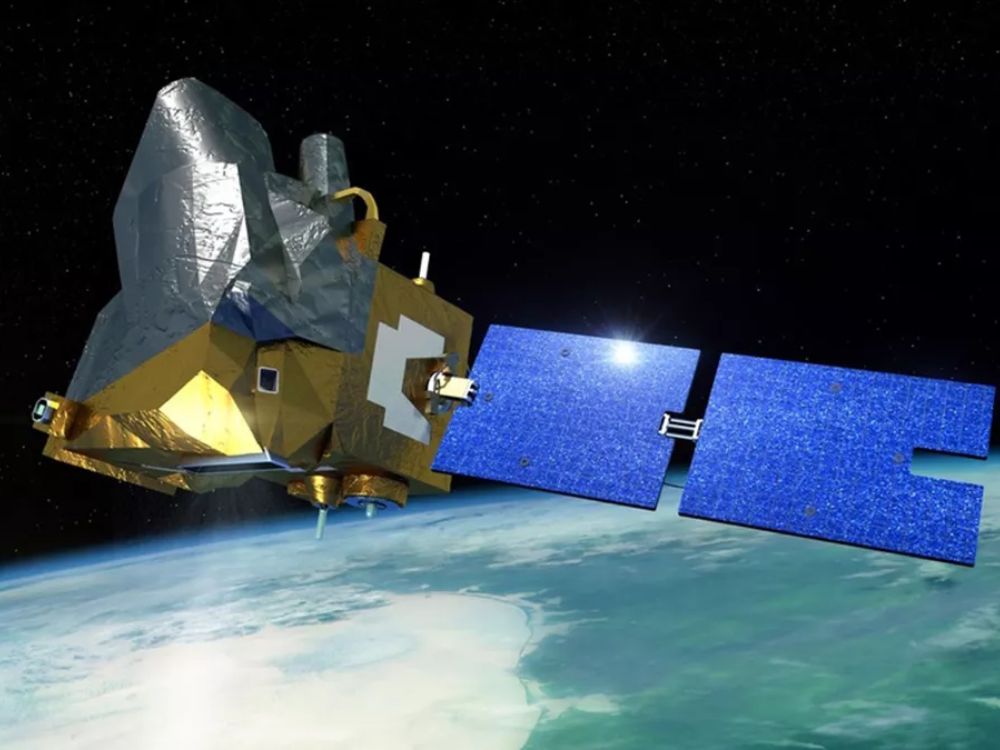
Imperial are working towards changing this, leading scientific activities in support of the European Space Agency's Far infrared Outgoing Radiation Understanding and Monitoring (FORUM) mission, due for launch in 2027. In this talk Professor Brindley will describe the overall motivation for FORUM, the instrument payload, and show results from recent field campaigns supporting the mission development.
Helen is a Professor of Earth Observation within the Physics Department at Imperial College London. Her primary research involves measuring and understanding variability in the Earth's radiation budget. She has a particular interest in exploring how the high-resolution temporal, spatial and spectral behaviour of Earth's outgoing radiation links to processes driving climate variability and change. Her team develops ground-based, airborne and satellite instrumentation in support of this work. Helen is also a Divisional Director within the UK's National Centre for Earth Observation, with responsibility for coordinating research into the Earth's energy and water cycles.
If you are a Member of Friends, one of the benefits of an annual Membership is a reduction in the price of lecture tickets, both for you and your guests. If you are not a Member and would like to take advantage of this, as well as enjoying the wide range of other benefits such as exclusive visits and FREE live streamed events, visit the 'Join Friends' page here.